Praying in the Gap maintitle

Prayer Guide


Before you begin to pray,
Get Alone, Get Still, Get Quiet

1. Place of Solitude.
We can pray anywhere and anytime. And indeed we should be praying everywhere and all the time. The Bible entreats us to "pray without ceasing." (1 Thessalonians 5:17) But there should be a time and place set apart for praying in solitude. This is the example Jesus gave us in scripture.


"Very early in the morning, while it was still dark, Jesus got up, left the house and went off to a solitary place, where he prayed."
-- Mark 1:35 NIV

"But Jesus Himself would often slip away to the wilderness and pray."
--- Luke 5:16 NASB
Find a time and a place where you can get alone with the Lord in total solitude.

2. Get still before the Lord.
You can pray while driving down the road but the best praying is when you are still.
"Be still, and know that I am God" --Psalm 46:10

3. Find a Quiet place.
You really can't pray very well with the TV going. Multi-tasking doesn't work well with praying. God wants our undivided attention.

Praying is more than us talking to God.
Praying is having a conversation with God (it involves talking and listening). Begin by thanking Him, praising His Holy name, confessing and asking for forgiveness of your sins, praying for others (especially those who mistreat you), and asking God to give you wisdom; and then listen by reading and meditating on His word.
Expect an answer from God.

Devote yourselves to prayer, keeping alert in it with an attitude of thanksgiving; --Colossians 4:2
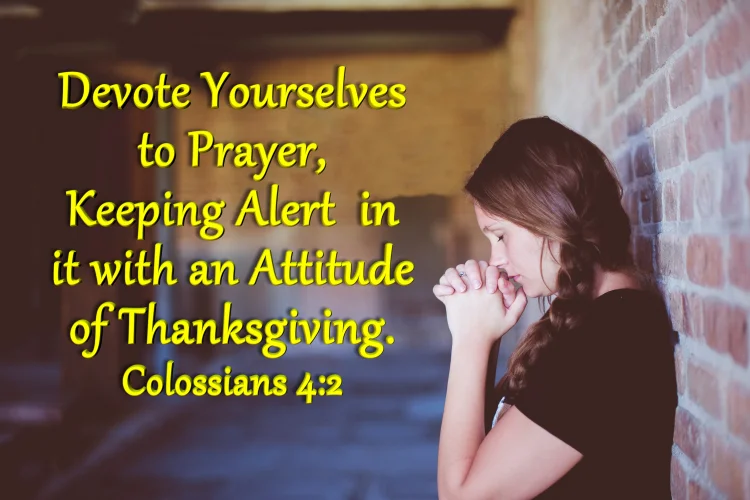
Colossians 4:2


Be still and rest in the Lord; wait for Him and patiently lean yourself upon Him; --Psalm 37:7a -amp.

Call to Me and I will answer you, and I will tell you great and mighty [hidden] things, which you do not know. --Jeremiah 33:3

Learn to be still and quiet before the Lord



Jesus provided a clear blueprint for how to structure your conversation with God in Matthew 6:9–13.

You can break it down into these steps:
Adoration: Start by acknowledging who God is ("Our Father in heaven, hallowed be your name").

Submission: Align your desires with His ("Your kingdom come, your will be done").

Petition: Ask for your daily needs ("Give us today our daily bread").

Confession: Seek forgiveness and commit to forgiving others ("Forgive us our debts, as we also have forgiven our debtors").

Protection: Ask for strength against temptation ("Lead us not into temptation, but deliver us from the evil one")
The Bible emphasizes how you pray as much as what you say:
Pray with Confidence: Approach God boldly, knowing He is ready to help Hebrews 4:16.

Pray Sincerely: Avoid showing off or using empty, repetitive phrases Matthew 6:5–7.

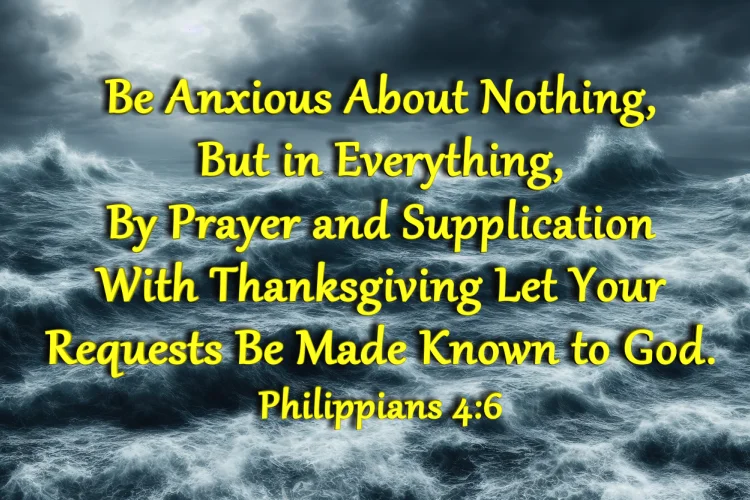
Pray with Thanksgiving: Combine your requests with gratitude to find peace Philippians 4:6–7.

Philippians 4:6


Pray Continually: Keep an ongoing "open-ended conversation" with God throughout your day 1 Thessalonians 5:17.

Praying Scripture Back to God:
Read a verse and turn its words into a personal prayer. Speak God's own words back to Him. This ensures your requests align with His will 1 John 5:14–15.

For example, using Psalm 23:1, pray: "Lord, because You are my shepherd, I know I have everything I need today."

Using the Psalms: Select psalms for different emotions—praise (Psalm 100), repentance (Psalm 51), or trust (Psalm 91)—and use them as a dialogue.

Pause and Pray (The "Pause" Method): Read a passage slowly, stopping after each phrase or verse to pray about that specific topic before moving on.

Personalize the Verse: Insert your own name or specific situations into the scripture.
For instance, "May the God of hope fill [Name] with all joy and peace..." based on Romans 15:13.

Romans 15:13


For Psalm 119:18, you might pray: "Lord, open my eyes today so that I can see the wonderful things in Your word."


Call upon Me in the day of trouble; I shall rescue you, and you will honor Me. -- Psalm 50:15"


About Us

Statement of Faith


© 2026 prayinginthegap.org